Limescale has a way of building up quickly on faucets and toilets, leaving behind dull surfaces and stubborn white marks. Even with regular cleaning, it often comes back faster than expected. While vinegar and baking soda are commonly used, a different method is now gaining attention for being quicker and far more effective.
A Modern Alternative To Classic Home Remedies
Most people are familiar with white vinegar and baking soda. They can work, but they often require time, repeated applications, and a fair amount of scrubbing when the buildup is stubborn.
A newer approach relies on products containing citric acid or other powerful descaling agents. These substances break down mineral deposits much more quickly by targeting the limescale directly.
There’s no need for complicated mixtures or long waiting times. Within minutes, the buildup starts to dissolve. This speed and ease of use are why more people are switching to this method.
This Toilet Paper Roll Trick Turns Dryer Lint Into Something Surprisingly Useful
Why Limescale Comes Back So Quickly
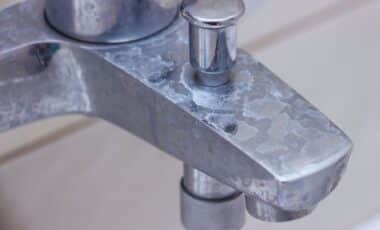
Limescale isn’t just about cleaning habits. It mainly comes from hard water, which contains minerals like calcium and magnesium. Every time water flows over a surface, tiny mineral traces are left behind. As the water evaporates, those minerals stay and gradually form a visible, rough layer.
This is especially noticeable on faucets, shower surfaces, and inside toilets. In toilet bowls, the constant presence of water makes it even easier for deposits to build up and harden over time. In areas with very hard water, limescale can reappear just days after cleaning, making it feel like a never-ending problem.
How To Use It For Quick Results
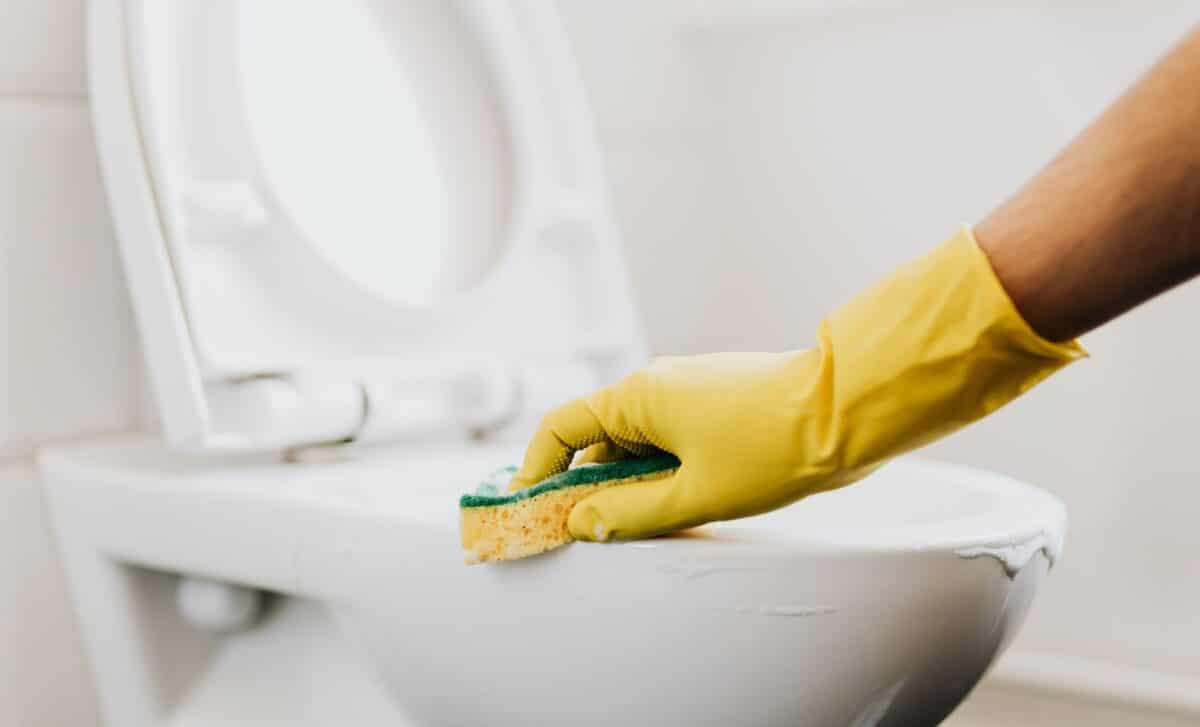
The method is straightforward. Apply the descaling product directly to the affected areas, such as faucets or the inside of the toilet bowl. Let it sit for a few minutes, then gently scrub with a sponge or brush. In most cases, the limescale comes off easily.
For tougher buildup, leaving the product on a bit longer usually does the trick. The result is immediate: surfaces look clean, smooth, and free of white residue. There’s no need for intense scrubbing or repeated attempts.