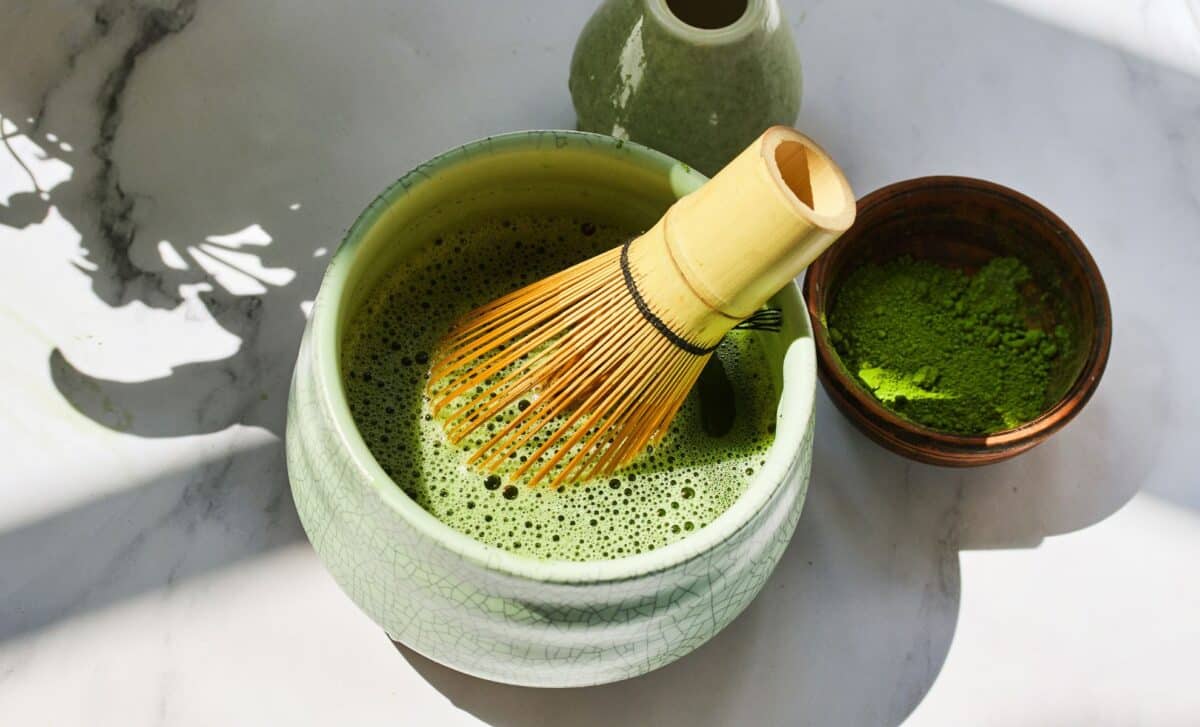
Matcha, the bright green powder loved by wellness influencers and smoothie bars alike, has taken a surprising turn in the spotlight. Long praised for its antioxidant power and clean energy boost, it’s now the subject of a viral debate, is matcha causing hair loss? Thanks to TikTok and a wave of personal stories, what started as a wellness trend is now raising a few eyebrows.
The Hair Loss Theory Takes Over TikTok
For years, matcha has been the go-to drink for those wanting a calm caffeine kick without the crash. Packed with antioxidants, it’s been blended into everything from lattes to desserts. And beyond its health perks, the green tea superfood’s deep roots in Japanese culture have only added to its global appeal.
But things shifted when Michelle Ranavat, founder of a natural skincare brand, posted on Instagram about her experience with unexpected hair thinning. She linked it to her regular habit, and suddenly, the social media was full of people saying the same thing. TikTokers and Reddit users jumped in, sharing similar stories about noticing hair changes while drinking the powdered green tea regularly.
Don’t Throw Away Your Holiday Leftovers, Here Are Genius Ways to Turn Them Into Perfect American Breakfasts
What Experts Actually Say About Matcha And Hair Thinning
Despite the viral panic, health experts say there’s no solid proof that matcha causes hair loss. In fact, some point out that it may help hair health. Matcha is rich in EGCG, which helps fight cell damage and inflammation, both of which play a role in hair aging.
There’s also L-theanine, a natural compound in the powder known to reduce stress. And since stress is a major trigger for hair loss (especially in cases like telogen effluvium), matcha could indirectly support healthy hair growth by helping people feel calmer.
That said, there’s a catch: tannins. Like other green teas, it contains tannins, which can make it harder for your body to absorb iron from food, especially when you drink it right after meals. And low iron is a major, well-documented cause of hair loss, particularly in women.
“Matcha can absolutely be part of a daily wellness routine,” said Heather Viola, a primary care physician. “Just be mindful of your body’s signals and iron status.”
How to Drink It Safely?
So, should you stop drinking matcha altogether? Not necessarily. There’s no solid scientific evidence linking it directly to hair loss. But the viral TikTok theory is a good reminder that even healthy habits can have unexpected effects, especially when it comes to how our body handles nutrients like iron. The takeaway? If you’re prone to iron deficiency, avoid drinking it right after meals or at the same time as iron-rich foods.
“It’s reasonable to cut back if you are drinking large amounts of matcha, but in most cases, hair loss is not caused by a single dietary factor,” explained Hadley King, a board-certified dermatologist based in New York City. “See your doctor for a thorough assessment.”