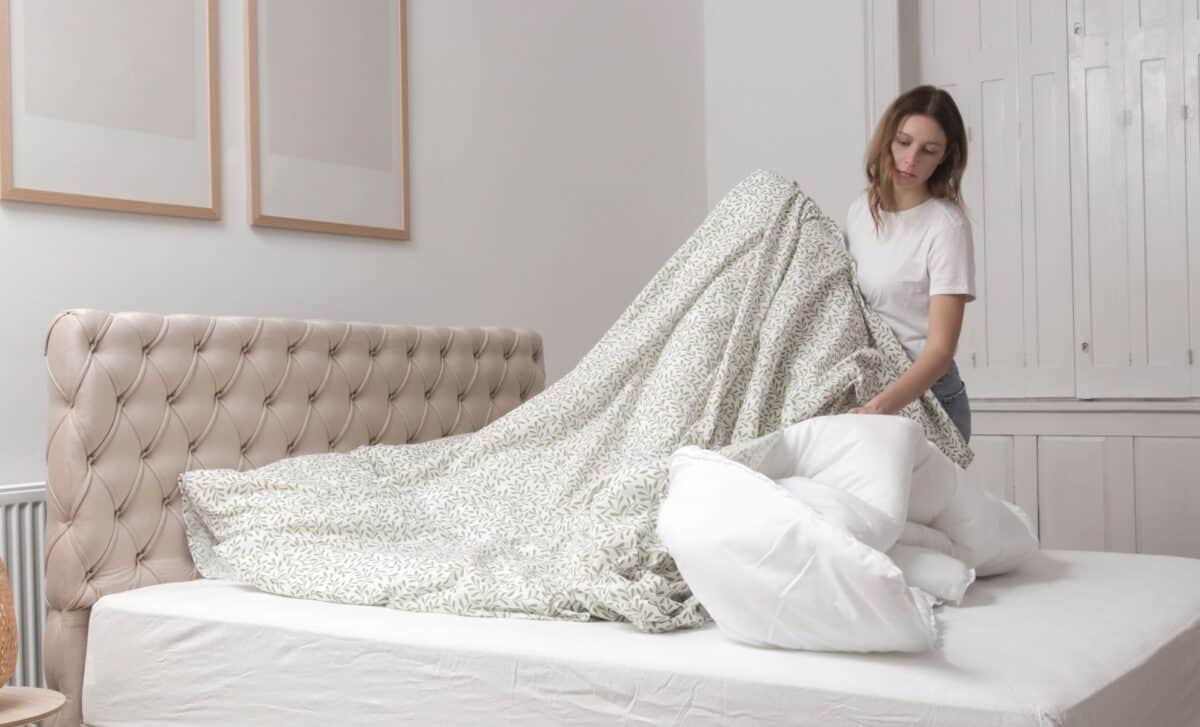
Your bed may look tidy each morning, but underneath the surface, it can become a quiet gathering place for microbes. According to clinical microbiologist Primrose Freestone, every night spent sleeping leaves behind a mix of sweat, dead skin, and invisible particles. Without regular washing, these elements can build up and turn your sheets into a reservoir of bacteria, fungi, and even viruses.
Your Bed Is Home To More Than You Think
Spending a third of your life in bed means your body leaves behind plenty of biological material. As reported in The Conversation, the average person sheds about 1.5 grams of skin cells each day. Those cells, along with sweat, oils, and environmental dust, settle into your sheets and mattress. Over a single year, your bed can absorb more than 100 liters of sweat, creating a warm and moist space that microbes love.
Dust mites thrive in this environment, feeding on the skin flakes left behind. Their waste can cause irritation in people with asthma, eczema, or allergies. Add to that the presence of bacteria and fungi, and the simple act of resting can become a health challenge without proper hygiene. If pets sleep in your bed, the situation becomes more complex. They bring fur, saliva, and dirt from outside, all of which settle into your bedding and increase the microbial diversity.
Respiratory viruses can also find their way into your linens. When you sneeze or cough at night, tiny droplets land on your pillowcases and sheets. These droplets may carry viruses that can linger in the fabric, especially if the bedding is rarely changed. Studies have found up to sixteen different types of microbes in used bedding, proving that what we cannot see often matters the most.
Frozen Is Healthier? These 6 Foods Just Broke the Rules
Clean-looking Sheets Can Still Make You Sick
Most people wash their sheets only when they appear dirty, but this approach overlooks the buildup of invisible microbes. For healthy adults with good hygiene and a clean sleep environment, experts recommend washing sheets, pillowcases, and duvet covers at least once a week. These items are in constant contact with skin and hair, making them prime spots for microbial accumulation.
When specific factors are present, laundry frequency should increase to every three or four days. In households with babies, young children, or anyone who is sick, bedding should be changed every two to three days to reduce exposure to bacteria, allergens, and viruses. Even in ideal conditions, extending the interval to two weeks is not widely supported by experts.