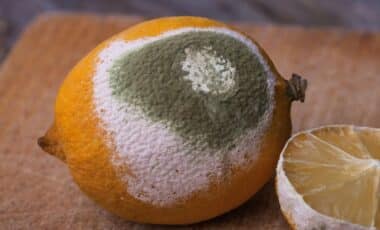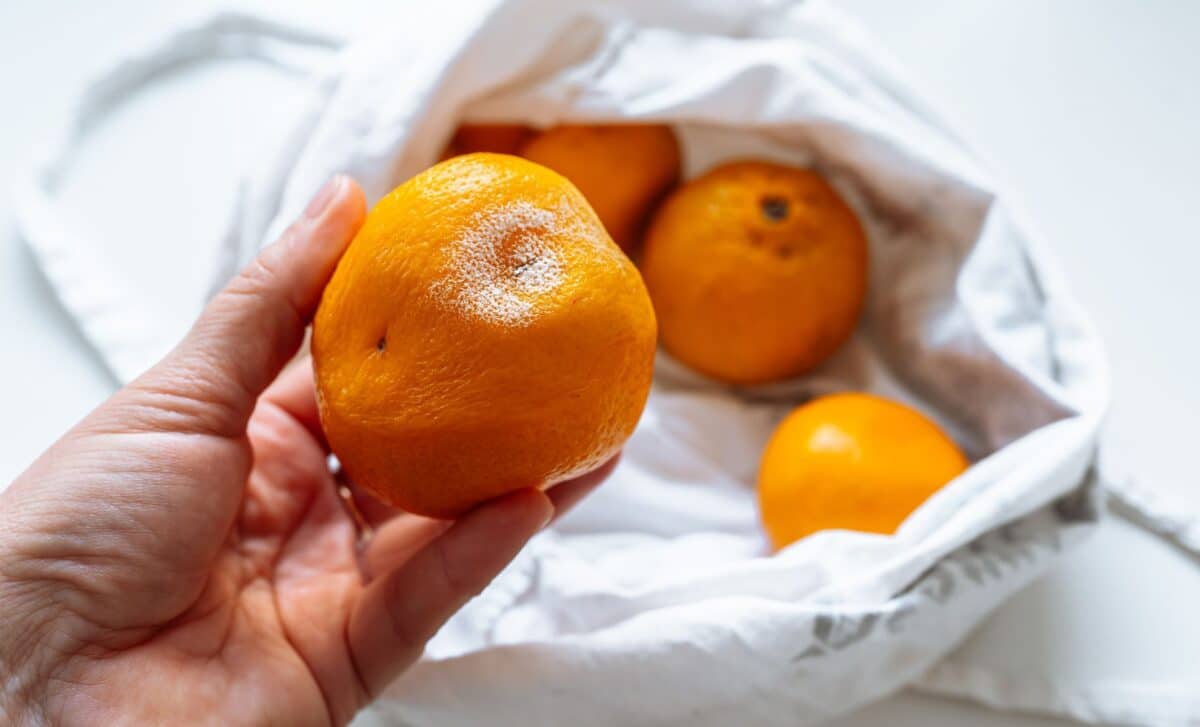
As winter rolls in across much of the Northern Hemisphere, citrus fruits like oranges, mandarins, and lemons are showing up in kitchens everywhere, from Tokyo to Toronto. They’re a go-to in colder months thanks to their bright flavor, high vitamin C, and seasonal availability. But more and more people are noticing the same annoying issue: their citrus is going bad way too fast.
It’s easy to blame it on poor quality or the fruit just being too ripe, but experts and postharvest researchers say the real problem might actually be inside our homes.
Why Your Fruit Hates Winter Air
Modern heating, closed-up rooms, and tightly sealed windows create a tricky indoor environment in winter. The air gets dry, but there are still little pockets of moisture and temperature swings. While all this might feel cozy for us, it puts citrus under stress. Studies show that these conditions can dry fruit out, encourage mold, and break down the fruit’s structure faster than usual.
It doesn’t help that kitchens often have poor air circulation, which traps ethylene gas, a natural ripening chemical. Citrus doesn’t produce much of it, but it’s really sensitive to the gas. Being stored near bananas, apples, or pears (which release a lot of ethylene) speeds up spoilage.
Plus, everyday storage habits make things worse: stacking citrus in deep bowls or placing it near radiators and sunny windows causes bruising and keeps in humidity, a perfect setup for fruit to go bad quickly.
Experts Reveal Why This Cheap Alcohol Beats Top Cleaning Brands
Are You Storing All Wrong?
Across many cultures, people tend to handle fruit in similar ways, and some of those habits are making things worse. One of the most common is washing citrus right after buying it. It might seem like a clean and smart thing to do, but it leaves moisture on the surface, which helps mold grow, especially in warm or stuffy kitchens. Food safety experts like the CDC and EFSA actually recommend washing fruit only right before you eat it.
Another mistake is leaving damaged the vitamin-rich foods with the good ones. As soon as one piece starts to rot, it gives off more ethylene and mold spores, which quickly spread to the rest. This gets even worse when fruit is kept in sealed bags, deep bowls, or drawers where air can’t circulate and you can’t see what’s going bad. In hot or tropical areas, refrigeration helps, but only if you avoid plastic. Sealed bags trap condensation, so using paper or cloth instead keeps moisture under control while letting fruit breathe.
Fruit-saving Trick Goes Viral
Even though this issue is happening everywhere, the fix is surprisingly simple, and it doesn’t involve any fancy gadgets or special packaging. More and more people around the world are going back to old-school ways of storing the natural snacks, using traditional techniques borrowed from farming and food supply chains. These low-tech, easy methods are now being recommended by consumer experts as affordable and super practical for everyday use at home.
The biggest change? Keep citrus away from ethylene-producing fruits like bananas or apples — ideally in a different bowl, or better yet, in a separate room. Good airflow also matters. Instead of sealing fruit in containers or plastic bags, it’s better to use open baskets, mesh bags, or wire racks. Laying the fruit out in a single layer helps avoid bruises and soft spots. Moisture is another key factor: lining the bowl with paper towels or newspaper can soak up extra humidity, just remember to change it every few days.