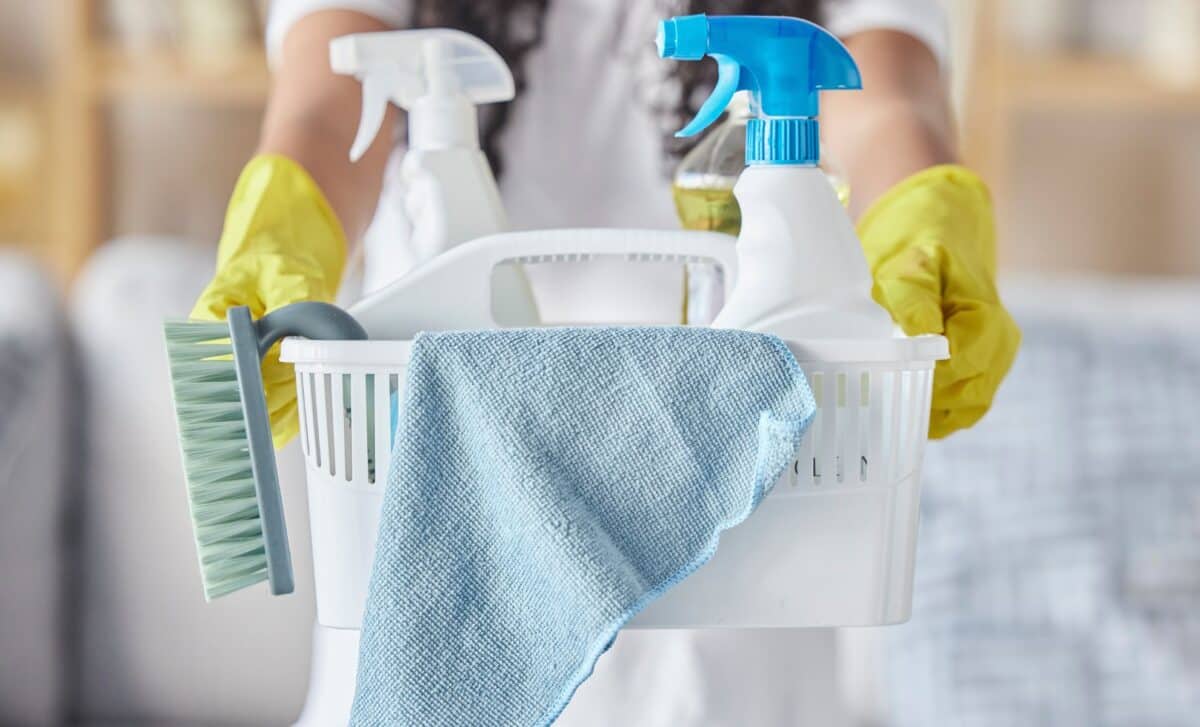
Social media is filled with clever, fast, and satisfying cleaning hacks that promise to make your life easier. From TikTok tutorials to Instagram reels, these viral tips spread quickly. But just because something looks impressive online does not mean it is safe or effective in real life. According to cleaning and healthcare professionals, many of these trending shortcuts can quietly damage your home or health.
Boiling Water, Vinegar Mixes, and Bleach Are Not Safe Fixes
One of the most common viral hacks is pouring boiling water into sinks to unclog drains or kill drain flies. While this might work temporarily, Christina Giaquinto, professional organizer at Modular Closets, said that:
“One viral social media cleaning hack is pouring boiling water down a drain to clear clogs and eradicate drain flies. However, don’t do this because boiling water can warp PVC pipes and loosen older pipe joints, which can lead to leaks and other drain issues.”
A better method is to flush with hot (not boiling) water, use a drain snake, and then treat the area with an enzyme-based cleaner overnight. These products break down organic matter without damaging your pipes.
Another popular video trend combines baking soda and vinegar for a bubbly drain cleaner. But Giaquinto explains that this acid-base reaction neutralizes both ingredients, leaving behind a fizzy mess with little cleaning power. Using the ingredients separately is far more effective.
If You Wait This Long to Wash Your Sheets, You Might Be Sleeping in a Germ Trap
Essential Oils, Steam, and Pressure Cleaners Can Do Real Damage
DIY recipes featuring essential oils may seem harmless, but they are not as safe as they appear. As explained by Iryna Balaban, CEO of Sunlight Cleaning NY, essential oils do not dissolve properly in water and can leave behind sticky residues that attract dust and dull surfaces. When overused, these oils can also affect indoor air quality, especially for sensitive pets like cats and birds.
Steam cleaners are another favorite, used everywhere from hardwood floors to mattresses. While steam works well on sealed tiles and grout, Balaban warns that it is risky to use on unsealed stone, wood, or laminate. Steam can push moisture deep into materials, leading to warping, mold, and even floor failure over time.
Why “Too Clean” Can Become A Problem In Your Home
Disinfectants are essential in some areas of the home, but not everywhere. Brian Clark, nurse anesthetist and CEO of United Medical Education, explained that overuse of chemical sprays without proper ventilation can lead to headaches, asthma flare-ups, and eye irritation.
Another trending mistake is mixing multiple cleaning products in the hope of boosting cleaning power. Steve Evans, owner of Memphis Maids, warns against this habit.
“One of the most common pieces of misinformation is thinking that ‘more is better,” he said “When using cleaning products, this is not the case. You want products that react well when combined and that are effective on the surface/item you need to clean.”
A Few Smart Habits That Protect Your Home Long-Term
While viral cleaning hacks can be fun to watch, they are often misleading or even dangerous. It is important to read product labels, understand the materials in your home, and rely on proven methods. Many of these trendy shortcuts cause slow, hidden damage that only becomes noticeable weeks or months later.
The smartest approach is to use one product at a time, avoid high heat or pressure on delicate surfaces, ventilate rooms when using chemicals, never mix products unless the manufacturer recommends it, and be extra cautious around children and pets. Taking a few extra minutes to clean the right way can save you hundreds or even thousands of dollars in repairs.