This everyday alcohol is stepping out of the bar and into the bathroom. While typically associated with cocktails and social events, this clear spirit has found a new role as a toilet cleaner, gaining popularity online as a surprisingly effective solution for removing stains and odors. What might sound like a quirky trend is actually grounded in science.
Why Vodka Works as a Cleaner
The effectiveness of vodka as a household cleaner lies in its base: ethanol. Most vodkas are distilled to contain around 40% alcohol by volume. Ethanol is a type of alcohol that functions as a solvent, meaning it can dissolve oils, grime, soap scum, and even mineral deposits.
“Due to its high alcohol content, vodka is a potent disinfectant,” explains Trish Duarte, a home cleaning expert. “When combined with a few drops of tea tree oil, which has natural antibacterial and antifungal properties, it becomes a powerful substance with antimicrobial properties.” This makes it particularly useful for cleaning hard surfaces like porcelain, which is commonly used in toilets.
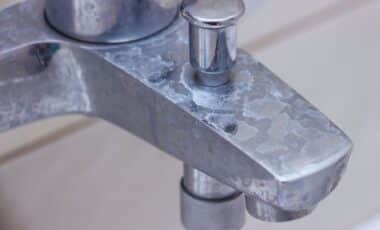
When used in the toilet bowl, the alcohol in vodka breaks down the compounds that cause stains, particularly those linked to hard water, lime, and calcium buildup. In parallel, ethanol is also capable of killing some odor-causing bacteria. Unlike bleach or ammonia-based cleaners, vodka doesn’t leave behind an intense chemical smell. Instead, it evaporates quickly, leaving surfaces fresh and scent-free. Because it’s free of dyes and additives, plain vodka also doesn’t introduce new residues or stains when used on white porcelain.
I Tried Coffee Cola Once… Now I Get Why Everyone’s Hooked
How Vodka Is Used to Clean a Toilet
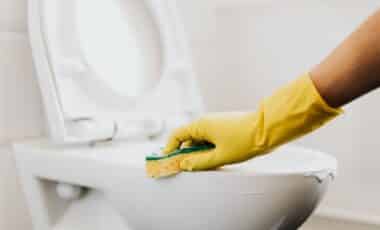
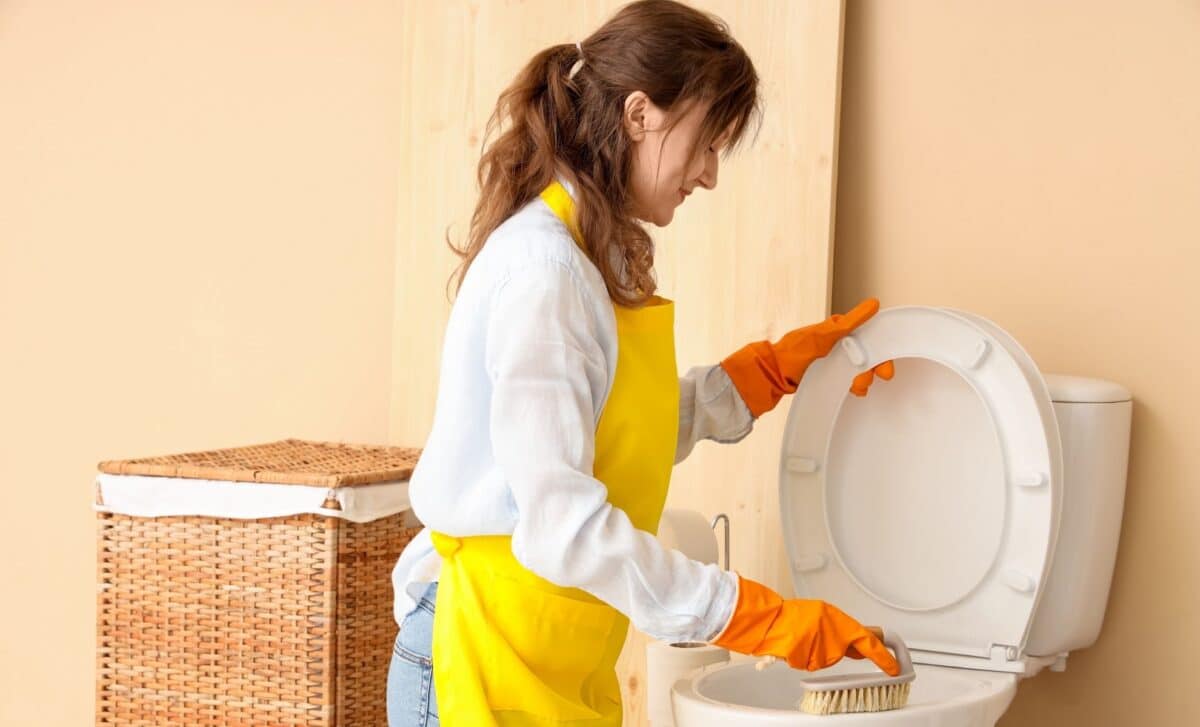
The process of cleaning with vodka is simple. Vodka is poured directly into the toilet bowl, usually around half a cup, focusing on stained areas such as under the rim or along the waterline. It is left to sit for about ten to fifteen minutes, allowing the alcohol to interact with the mineral deposits and bacterial film. After that, the bowl is scrubbed with a toilet brush, often revealing a whiter, cleaner surface with noticeably less odor.
For people who prefer spray-based cleaning, vodka can also be poured into a clean spray bottle and applied to toilet seats, lids, and nearby surfaces. Because it dries quickly, it’s an efficient solution for spot-cleaning without the need to rinse.
Does Vodka Really Work?
Unlike conventional chemical cleaners that target a wide range of bacteria, viruses, and fungi, vodka offers a milder but still effective solution for everyday cleaning. While commercial products are engineered to cut through deep grime and embedded stains, their potency often comes with trade-off, such as strong chemical fumes, skin irritation, and long-term surface damage.
In contrast, vodka does not release harsh vapors and is safe for use on most bathroom materials, including chrome, plastic, and porcelain. Its gentle nature makes it particularly appealing for households looking to avoid synthetic chemicals or maintain safer indoor air quality.
Although vodka may not replace industrial-grade disinfectants in high-risk situations, many users report positive results when using it for light-duty tasks.