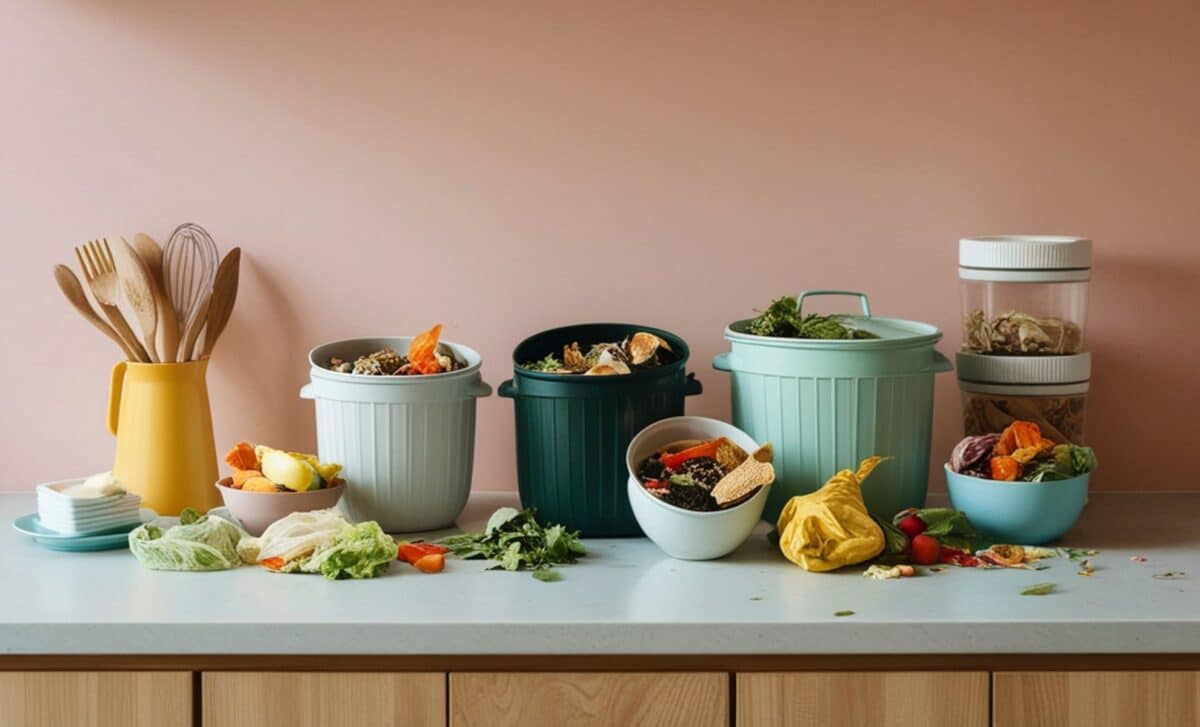
Composting has become a go-to eco habit, turning everyday kitchen waste into rich soil for gardens and plants. It feels simple, natural and entirely beneficial. But what if some of the most common scraps you’re tossing into the bin are quietly doing more harm than good?
There’s one kitchen ingredient that slips into compost piles all too often. It’s familiar, harmless-looking and widely used. Yet it might be the reason your garden isn’t thriving as it should. Before you empty your next bowl of scraps, here’s what you should know.
Are Potato Peels Safe for Compost?
The EPA (Environmental Protection Agency) sees composting as a simple, local way to reduce landfill waste and support healthier soil. In recent years, more households have embraced composting as part of everyday life. Turning leftover food into nutrient-rich compost feels like a win for both the environment and the garden. But not all organic waste belongs in the bin. A mistake many people make is adding potato peels.
These peels contain solanine, a natural alkaloid that protects the plant from pests and disease. While the highest levels are found in green or sprouted potatoes, regular peels also contain small amounts. And unlike most organic compounds, solanine does not fully break down during composting.
Your Fruit Is Spoiling Faster This Winter? The Simple Fix That’s Going Worldwide
How Solanine Sneaks into your Soil?
According to a study, when solanine-contaminated material ends up in compost, the toxin remains active. Once the soil amendment is used in your garden, that same solanine is transferred to the soil. Plants grown in such soil may suffer from slow development, stress symptoms or even die in severe cases.
The danger is even greater when composting sprouted potatoes. These can carry verticillium wilt, a fungal disease that attacks the root systems of plants. Infected organic fertilizer
can spread this disease to the wider garden. On top of that, sprouted potatoes may continue to grow within the compost pile, which disrupts its microbial balance and throws the decomposition process off track.
Keep Your Plants Happier
Healthy compost depends on maintaining the right mix of ingredients. A balance between green matter, like kitchen scraps rich in nitrogen, and brown matter, like dry leaves and twigs rich in carbon, is essential. Most fruit and vegetable waste is welcome, but certain items must be left out.
Potato peels, dairy products, meat, fatty food, and diseased plants should never be added to organic waste piles, they can slow decomposition and invite unwanted pests.
Here’s What To Keep
Most fruit and vegetable peels can be safely added to your bin. Carrot peels, apple skins, banana peels, cucumber and zucchini peels, and even citrus peels (in small amounts) all break down well and add valuable nutrients to the mix.
Onion and garlic skins are also compostable, though they should be added in moderation, as they can slow decomposition slightly. Peels from tropical fruits like mango, kiwi, and avocado take longer to break down, but they can still be a great addition if cut into smaller pieces.