Tiny seeds with big reputations are making waves in health-conscious kitchens. Chia seeds have long ruled the shelves of grocery stores and health food shops. But now basil seeds, also known as sabja or tukmaria, are catching up fast. They may look similar, but their differences run deep.
Fast Gel, Subtle Flavor: How They Behave In The Kitchen
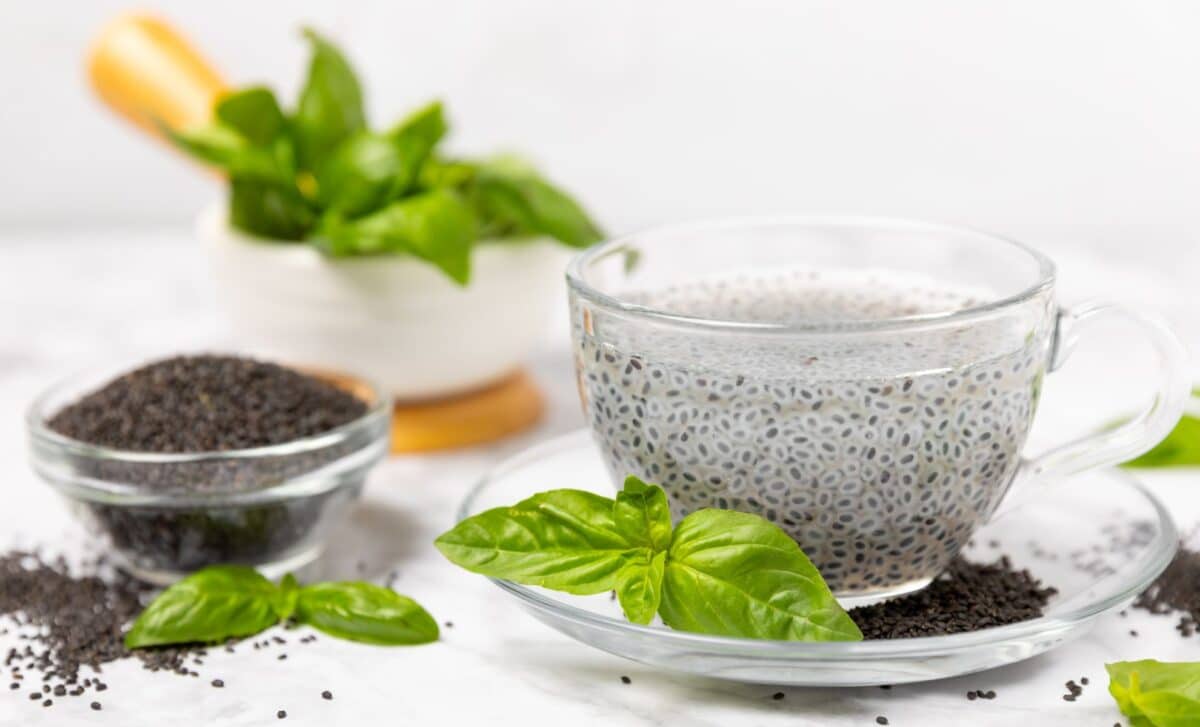
Both seeds have a unique ability to absorb water and form a gel coating, making them favorites for smoothies, puddings, and drinks. But basil seeds gel much faster than chia seeds. Basil takes only about five minutes to form that jelly texture, while chia can take closer to thirty. That makes basil seeds a better fit for quick recipes.
When it comes to taste, both seeds are mild and unobtrusive. Chia has a slightly nutty flavor, while basil seeds offer a faint herbal note. The real difference lies in the texture. Once soaked, chia seeds turn soft and almost creamy, pudding-like consistency. Basil seeds, on the other hand, maintain a slight crunch within their gelatinous coating.
Add This At The End And Your Eggs Will Taste Like They Came From A 5-star Kitchen
Which One Wins On Nutrition?
Both seeds pack serious nutrients, but they do not perform the same in every category. Fiber is where basil seeds stand out. Chia seeds offer around 9.75 grams of fiber per ounce, most of it insoluble. Basil seeds vary by brand, but some contain up to 26 grams of soluble fiber per ounce, which helps slow digestion, regulate blood sugar, and keep you feeling full longer.
In terms of calcium, basil seeds again take the lead, with about 370 mg per ounce, compared to 179 mg in chia. Both provide magnesium, though chia contains slightly more. These minerals are important for bone strength, nerve function, and muscle performance.
As reported by a 2025 study, when it comes to omega-3 fatty acids, chia are the clear favorite. They contain significantly higher levels of alpha-linolenic acid (ALA), a beneficial fat known to support brain health and cardiovascular function.
How To Eat Them Safely And Creatively?
According to Harvard Medical School, chia seeds work well in overnight oats, baked goods, and puddings. They also act as a vegan egg substitute when mixed with water. Basil seeds shine in cold drinks. They are a common ingredient in Southeast Asian treats like falooda, as well as iced teas and lemonades. You can also blend them into smoothies, add them to juices, or stir them into yogurt.
What To Know Before Adding Them To Your Routine
Before adding basil or chia to your meals, it’s important to understand how to use them safely. These seeds should always be fully soaked before eating, since they expand significantly in liquid and could pose a choking hazard if consumed dry.
People with known allergies to basil, mint, oregano, or sesame should be cautious, as allergic reactions can occur. Also, because both nutrient-packed gemare high in dietary fiber, it’s best to start with small amounts. Jumping in too quickly can lead to bloating, gas, or stomach discomfort, especially if your body isn’t used to a high-fiber diet.