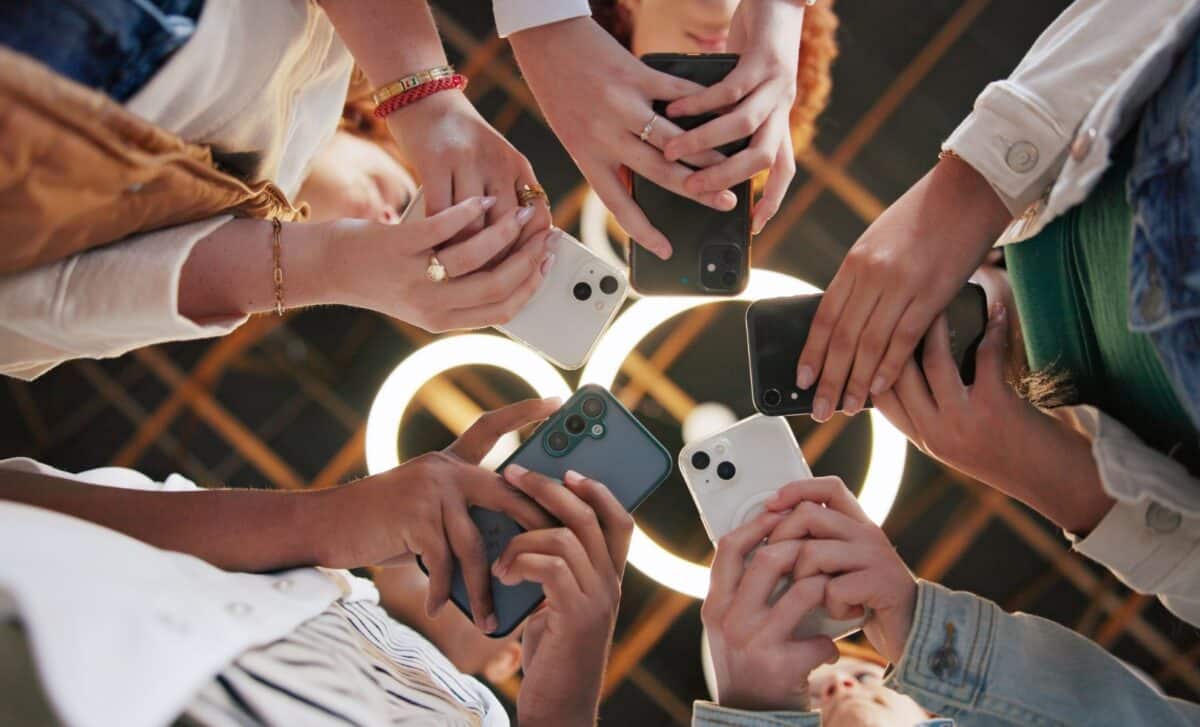
Social media has become one of the main ways people share their lives. From vacation photos and career milestones to everyday moments, platforms like Instagram, TikTok, and Facebook encourage users to document and broadcast what they’re doing. Yet not everyone feels the need to participate.
Some people have accounts, follow friends, watch videos, and scroll through their feeds daily, but they rarely post anything themselves. Their profiles remain largely empty, sometimes for months or even years. While this behavior is often mistaken for shyness or a lack of interest in social media, psychologists suggest there may be something else at play.
Being Quiet Online Doesn’t Mean Being Anti-Social
It’s easy to assume that someone who never posts on social media isn’t interested in connecting with others. In reality, many of these individuals are active users who simply engage differently.
They may use social media to stay informed, keep up with friends, follow their favorite creators, or discover new ideas. What sets them apart is that they don’t feel compelled to turn their own experiences into content.
Psychologists note that a person’s willingness to stay private online is not necessarily linked to a lack of confidence. In many cases, it reflects a deliberate choice about how much of their life they want to make public.
Rather than seeking visibility, these individuals often place greater value on privacy, personal experiences, and direct relationships. Their focus tends to be on living the moment rather than sharing it.
Sleeping in Separate Beds Could Be the Best Thing That Ever Happened to Your Relationship
Experts Link This Habit to Greater Emotional Independence
One of the most interesting explanations offered by psychologists involves emotional independence. According to a report released by Cottonwood Psychology Blog, people who rarely post on social media often rely less on external validation.
Social platforms are built around feedback. Likes, comments, shares, and follower counts create constant opportunities for approval and recognition. While there’s nothing wrong with enjoying positive feedback, some people become increasingly dependent on it.
Those who rarely post appear less influenced by these mechanisms. Their self-esteem is often less connected to how others react to them online. They don’t need a stream of likes or comments to feel valued, successful, or appreciated.
This doesn’t mean they are immune to social pressures. Rather, they may be better at separating their sense of self-worth from digital approval. Many psychologists consider this a sign of emotional maturity because it reflects confidence that comes from within rather than from external recognition.
Why More People Are Reconsidering Their Relationship With Social Media
The growing interest in digital well-being has led many people to rethink how they use social platforms. Research has shown that excessive exposure to carefully curated online content can sometimes increase stress, comparison, and feelings of inadequacy. As a result, some users are becoming more selective about what they share, or whether they share at all.
People who post less frequently often report feeling more present in their daily lives. Without the pressure to create content or monitor engagement, they may have more time and mental space for personal interests, meaningful conversations, and offline experiences.
Of course, there is no single “right” way to use social media. For many people, sharing content is enjoyable, creative, and rewarding. But experts suggest that the ability to feel fulfilled without constant online validation is a quality that deserves attention.