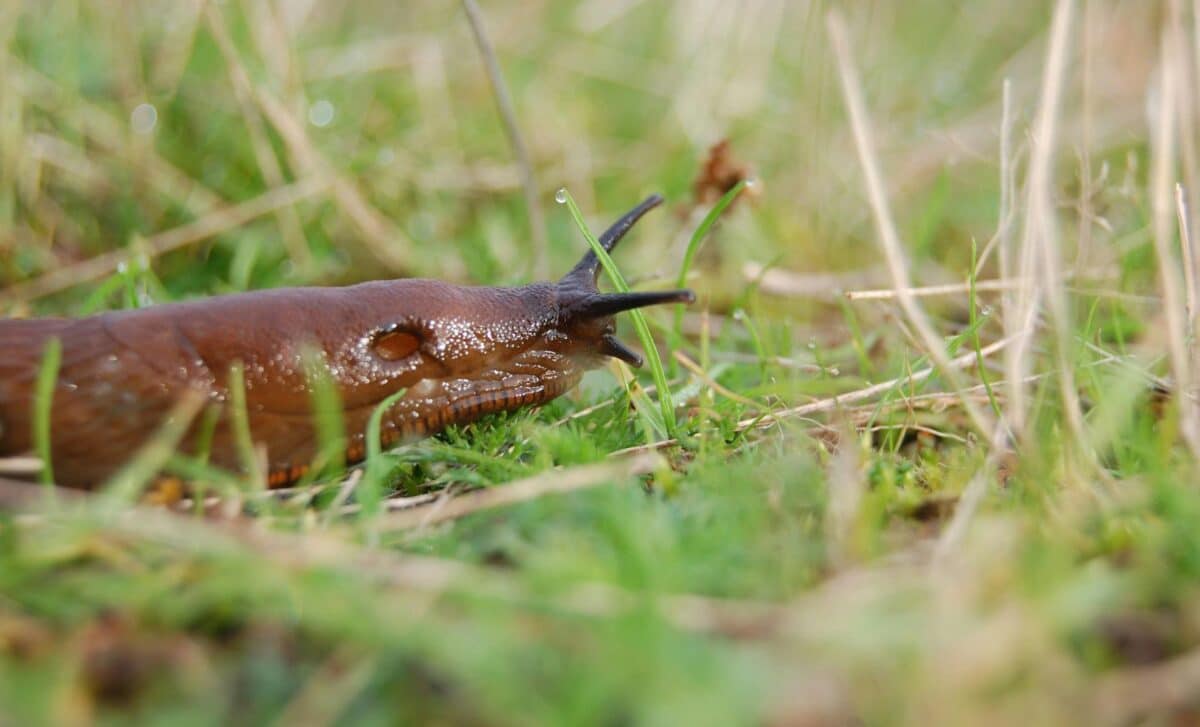
The wet spring of 2026 has been a nightmare for gardeners. Slugs are everywhere, chewing through lettuce, strawberries, zucchini plants and young seedlings almost overnight. With many people trying to avoid chemical slug pellets, natural solutions are becoming more popular than ever. One surprisingly effective trick is using crushed oyster shells around plants. What usually ends up in the trash after a seafood dinner is now helping gardeners protect their vegetable patches in a simple and eco-friendly way.
Why Oyster Shells Actually Work Against Slugs
The idea is pretty simple. When oyster shells are crushed into small sharp pieces, they create a rough surface that slugs hate crossing. Since slugs move using slime, crawling over jagged shell fragments becomes difficult and uncomfortable for them. Many gardeners say they either turn around or avoid the area completely.
To use this method properly, the shells should first be washed well to remove salt, which can damage plants and soil. Once dry, they can be crushed into pieces around 0.5 to 2 centimeters wide. The fragments are then spread in a ring around plants, creating a barrier roughly 5 centimeters wide.
One reason this trick is getting so much attention is because it costs almost nothing. Oyster shells are usually thrown away, so reusing them in the garden feels practical and sustainable. Unlike chemical treatments, they also don’t harm pets, insects or the soil.
A Lot Of People Believe There’s A “Best” Time To Shower. Experts Say The Real Answer Might Surprise You
Oyster Shells Vs Copper: Which Works Better?
Copper tape and copper wire have been used against slugs for years. The theory is that when a slug touches copper, its slime creates a reaction that the animal dislikes, causing it to back away.
While copper can help, many gardeners say it doesn’t always work as well as expected. Over time, the metal oxidizes, especially in wet weather, which reduces its effectiveness. A thin strip of copper can also be easy for slugs to get around during heavy infestations.
That’s where oyster shells stand out. Because they can cover a wider area, they create a more difficult obstacle for slugs to cross. They’re also easier to spread around larger garden beds without spending a lot of money. Some people even combine both methods for extra protection during rainy weeks when slug activity is at its worst.
However, oyster shells are not a perfect solution either. After heavy rain, the fragments can sink into the soil or get scattered, making the barrier less effective. Gardeners often need to replace or refresh the shells after storms to keep slugs away.
A Natural Garden Trick With Extra Benefits
One bonus of using oyster shells is that they can also improve soil quality over time. As mention in PatSnap Synapse, oyster shells contain calcium, which helps support healthy plant growth and stronger cell walls. As the shells slowly break down, they release minerals into the soil naturally. So while they’re protecting plants from slugs, they may also help the garden in the long run.
That combination of low cost, easy use and environmental benefits explains why more gardeners are trying this method. With slug populations exploding after months of rain, simple homemade solutions are becoming more attractive than expensive chemical products.