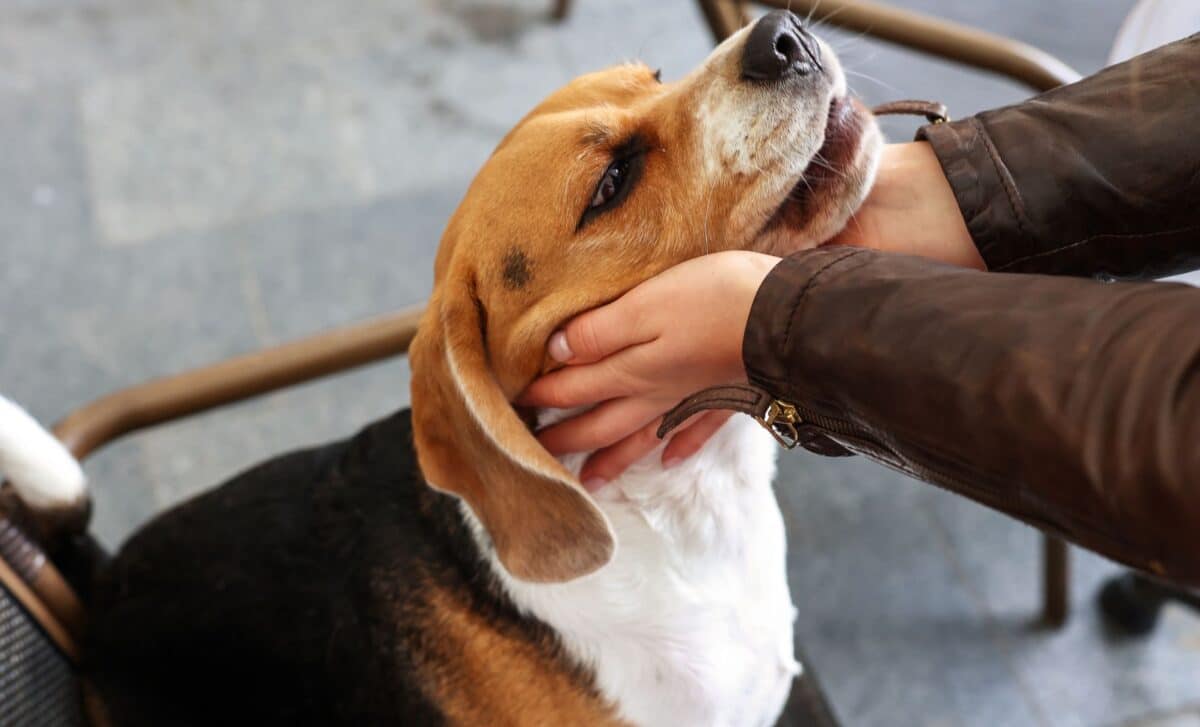
Some everyday gestures go completely unnoticed, petting a dog is one of them. In the street, at a friend’s place, or even when facing a dog you don’t know, this reflex comes naturally. It is quick, instinctive, almost automatic. Yet behind this simple action, there are very real mechanisms at play. Psychology takes a close interest in it because it involves emotions, the body, and the way we connect with others.
A Simple Reflex… But Not So Trivial
Petting a dog is not just a cute gesture. It is also a way of connecting without using words. Dogs communicate in a very direct way, through their gaze, posture, and energy. As a result, the interaction feels easy, without awkwardness or overthinking.
People who naturally approach dogs often have a strong sensitivity to emotions. They quickly pick up on signals, even nonverbal ones, and are willing to create a connection. This behavior is often linked to empathy, but also to a desire for simple, genuine contact.
This gesture can also reflect a certain openness. Approaching an unfamiliar animal, especially in a public space, requires a bit of ease. It does not mean being highly extroverted, but there is a positive attitude toward interaction.
Touch helps release tension and relax. Petting a dog can be calming, reassuring, or simply pleasant in the moment. It is not necessarily about a lack of affection, but rather a natural way to regulate emotions in daily life.
Shrekking: A Gen Z Term For Dating Someone You’re Not Very Attracted To Because You Think They’ll Treat You Better
What Happens In Your Body (And Why It Feels Good)
Based on the report published by the Argentine media outlet Ámbito, this gesture also has a real effect on the body. When you pet a dog, the brain reacts immediately. It releases oxytocin, a hormone linked to bonding and a sense of safety. At the same time, cortisol, the stress hormone, decreases.
This means the body enters a state of relaxation. The heart rate slows, muscular tension decreases, and a sense of calm emerges. This is why many individuals repeat this behavior without even being consciously aware of it. The brain registers the positive effect and encourages the person to engage in the action again.
It is no coincidence that dogs are used in certain therapies. Their presence naturally soothes people. Even a brief interaction can create a small mental break in a busy day.
A Habit Shaped By Your Past Experiences
Your relationship with dogs does not come out of nowhere. It is strongly influenced by your personal history. People who grew up with pets or had positive experiences with animals are usually more comfortable around them. They tend to trust more easily and seek contact.
The brain associates dogs with pleasant memories, which reinforces the desire to repeat these interactions. On the other hand, a negative experience can reduce this instinct.
Petting a dog can also be a way to connect with other people. In a park or on the street, it often leads to a conversation with the owner. It is a simple way to break the ice without pressure.