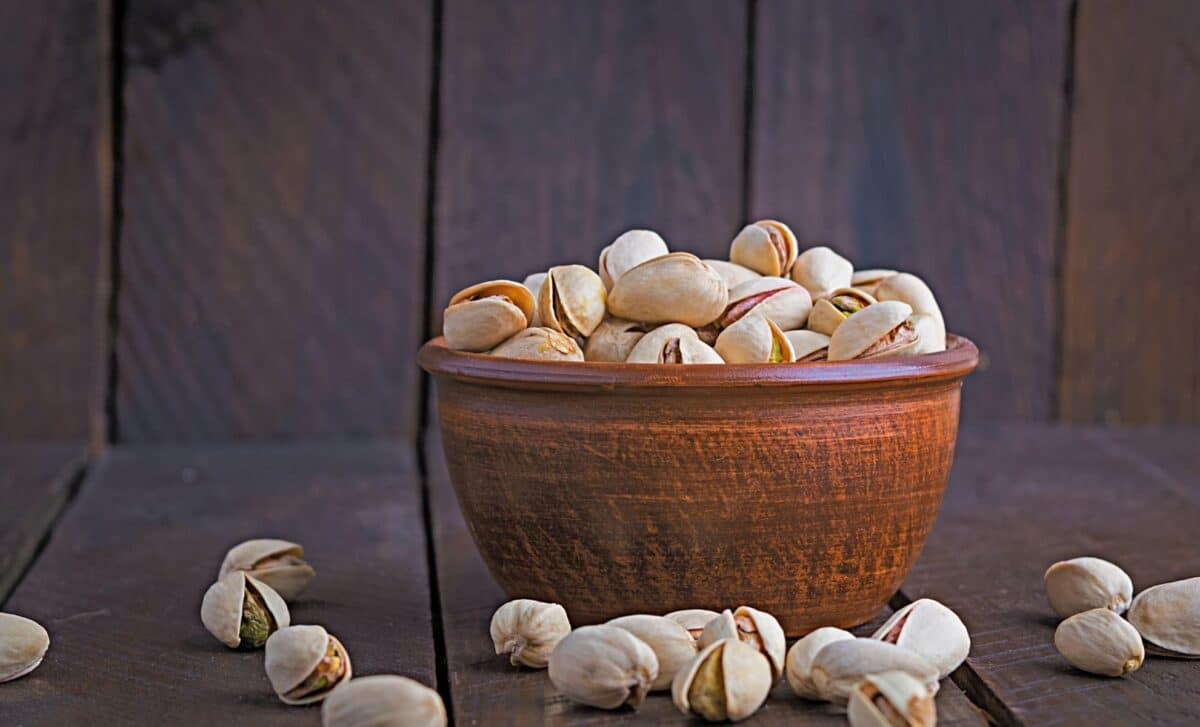
Eating pistachios at night might sound like a small habit, but it’s starting to get attention for its potential effects on gut health. A recent study suggests that this simple snack could actually change the balance of bacteria in your digestive system, especially for people dealing with prediabetes.
Pistachios Can Reshape Your Gut Bacteria
Pistachios aren’t just tasty, they’re packed with fiber, good fats, and nutrients that your gut bacteria love. In the study, participants ate about 56 grams of pistachios every night for 12 weeks. Over time, their gut microbiome started to shift.
Researchers noticed an increase in helpful bacteria like Roseburia and others from the Lachnospiraceae family. These bacteria produce something called butyrate, which helps keep your gut lining strong and healthy. A healthier gut lining can support digestion and may help reduce inflammation.
What’s interesting is that pistachios seem to act like a natural prebiotic. That means they feed the “good” bacteria already living in your gut. Instead of taking supplements, just adding a handful of pistachios to your routine could help create a better balance in your digestive system.
This Odd Habit of Leaving Garlic by Your Bed Is Taking Social Media by Storm, Here’s Why Everyone Is Talking About It
Why Night Is the Best Time to Eat Them
One detail that stands out in this study is the timing. Participants didn’t just eat pistachios whenever, they had them as a nighttime snack. That might actually matter more than you’d think.
At night, your body works differently. Your metabolism slows down, and your blood sugar levels follow a natural rhythm. Eating pistachios before bed may help keep blood sugar more stable during the night, which is especially useful for people with prediabetes.
There’s also a theory that digestion at night allows nutrients to interact longer with gut bacteria. Since everything slows down, the pistachios may have more time to “feed” the microbiome. Researchers are still looking into this, but it could explain why the effects were noticeable in this setup.
A Nightly Habit Worth Trying
The study also showed a drop in some less helpful ones. One example is Blautia hydrogenotrophica, a type of bacteria linked to compounds that may affect heart and kidney health. Seeing less of it could be a good sign. All of this points toward a gut environment that’s less inflammatory. And that matters, because inflammation is tied to a lot of long-term health issues, including type 2 diabetes.
The research itself was pretty solid. It followed 51 adults with prediabetes over 12 weeks, and each person tested both options: pistachios and a more typical carb-based snack. That makes the results more reliable, since everyone acted as their own comparison.
That said, changes in gut bacteria don’t automatically mean immediate health improvements. Scientists still need more time to see how these changes affect things like blood sugar or disease risk in the long run.