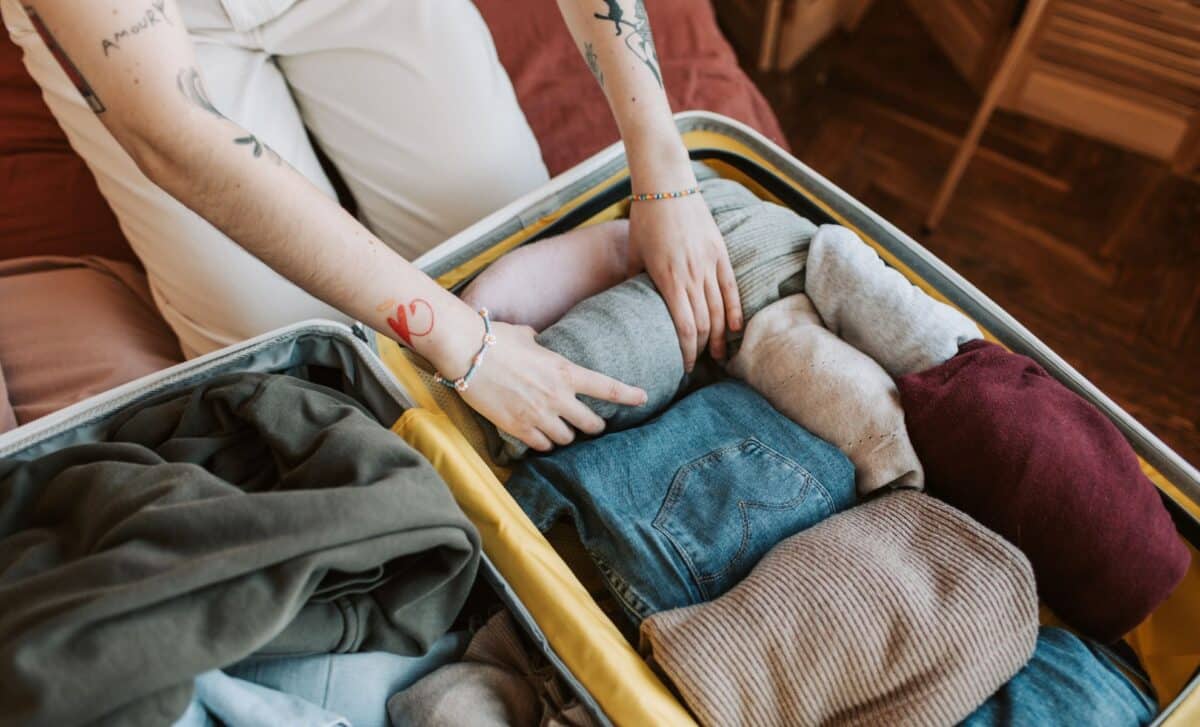
Packing for a flight may seem routine, but some everyday items are now subject to tighter controls. Among them, devices powered by lithium batteries are drawing increased attention from airlines and aviation authorities.
Common Devices in Luggage Now Limited to Cabin Baggage
Airlines such as Ryanair, easyJet, and TUI have updated their guidelines regarding electronic equipment in luggage. While these items are still allowed on board, they cannot be placed freely in checked luggage. Portable chargers, spare lithium batteries, and several electronic devices must now be carried in the cabin. This rule is designed to ensure that any issue can be handled immediately during the flight.
To reduce risks, passengers are asked to store batteries carefully. Keeping them in original packaging, covering contact points, or placing them in separate pouches are all recommended precautions.
In most cases, portable batteries must not exceed 100 Wh, which corresponds to roughly 27,000 mAh, unless special approval is granted. These restrictions apply to widely used items such as smartphones, tablets, laptops, cameras, wireless headphones, handheld consoles, and power banks.
A Plumber Explains Why Starting The Washing Machine Before A Shower Is Not A Good Idea
Why Lithium Batteries Are Treated Differently
The stricter rules are linked to how lithium batteries behave under certain conditions. According to the UK Civil Aviation Authority, these batteries can undergo a reaction known as thermal runaway.
This chain reaction can cause a rapid rise in temperature, potentially leading to fire or smoke. In the cabin, trained crew members can quickly identify and manage the situation. In the aircraft hold, responding to such incidents is far more complicated. Because of this, airlines prefer to keep these devices within reach rather than out of sight.
Some carriers also limit the use of power banks during specific moments of the flight, including taxiing, takeoff, and landing. In certain cases, passengers are asked to keep them in their hand luggage and store them under the seat instead of in overhead compartments.