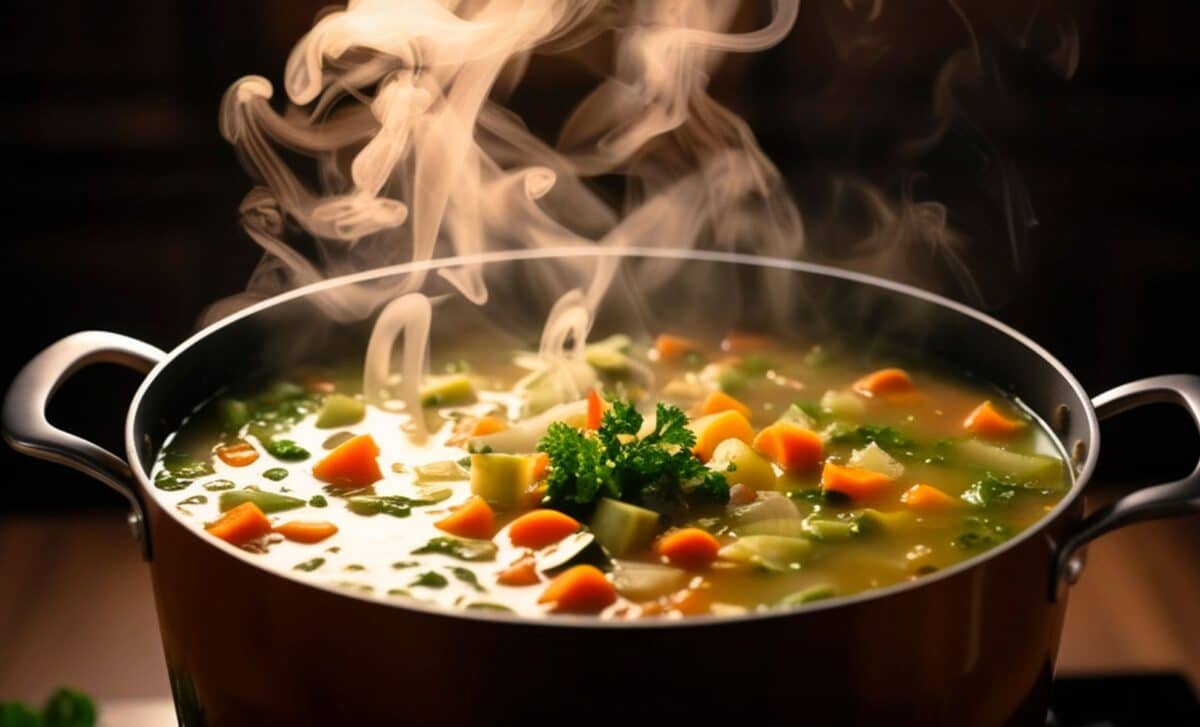
For years, vegetable cooking water has gone straight down the drain without much thought. Now, more people are starting to see it differently as they look for easy ways to cut food waste and get more out of everyday ingredients. What seems like a simple kitchen habit actually comes down to smart nutrition and practical cooking.
A Natural Source of Water-Soluble Nutrients
When vegetables are boiled, part of their water-soluble vitamins, particularly vitamin C and several B vitamins, leach into the cooking water. Certain minerals, including potassium and magnesium, also migrate into the liquid. The result is lightly colored, sometimes fragrant water that contains a portion of the nutrients originally present in the vegetables.
The real nutritional value depends on a few simple things: how much water you use, how long you cook the vegetables, how small they’re cut, and how fresh they are. Using less water and keeping cooking times short helps preserve more of the nutrients that dissolve into the liquid. Boiling vegetables for a long time in a large pot of water, on the other hand, dilutes those nutrients much more.
That’s why many traditional cuisines have always reused vegetable cooking water in soups and stews. It’s not a miracle ingredient, but it’s an easy way to cook more thoughtfully and make everyday meals a bit more nutritious and efficient.
This Popular Sweetener Isn’t as Heart-Friendly as You’ve Been Told
A Versatile Ingredient in the Kitchen
Beyond drinking it directly, vegetable cooking water can serve as a practical culinary base. It can be reused to prepare broths, enrich soups, cook rice or pasta, or add depth to sauces. Instead of discarding it, home cooks can transform it into a mild, vegetable-infused stock.
The taste depends on the ingredients you cook. Carrots, leeks, and zucchini give a mild, slightly sweet flavor, while cabbage or broccoli create something much stronger and more distinct. It’s best to adjust how you use the liquid based on how intense the flavor is to keep your dish balanced.
This approach fits with the growing push to cut down on food waste and make the most of what we already have. In places where efficiency and smart resource use really matter, getting every bit of nutrition out of your ingredients can make a real difference. Even at home, reusing leftovers like this helps you rely less on processed broths and packaged flavor boosters.
Is It Safe to Drink?
While vegetable cooking water can contain beneficial nutrients, it may also carry substances present on the surface of the produce. Pesticide residues or contaminants can end up in the liquid. Thorough washing of vegetables is therefore necessary. Choosing produce from organic sources may reduce potential exposure, although it does not eliminate all risk.
Vegetables naturally high in nitrates, such as spinach or beetroot, require additional caution. Their cooking water should be consumed promptly and stored in the refrigerator if not used immediately. It is not recommended for infants.
Salt content should also be considered. If the water was heavily salted during cooking, drinking it regularly may not be advisable. In such cases, its use in other recipes may be more appropriate.