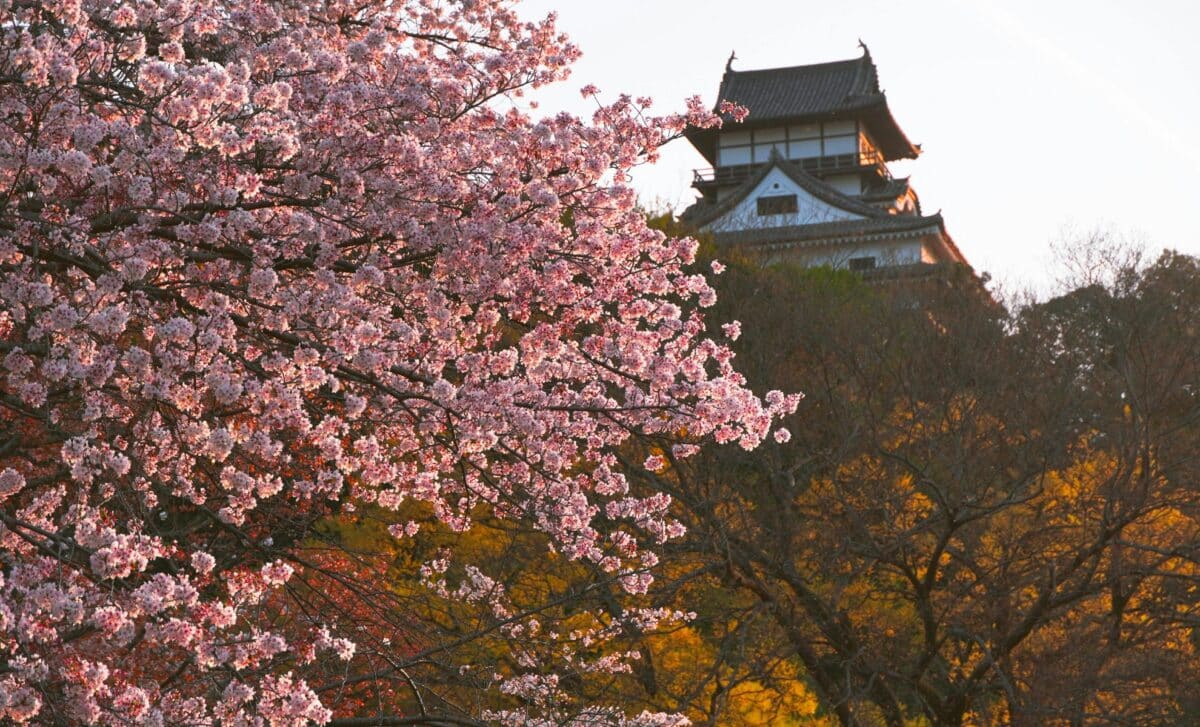
Japan’s cherry blossom festivals, especially near Mount Fuji, have become iconic events for both locals and tourists. The breathtaking view of cherry blossoms blooming against the majestic mountain is a symbol of natural beauty. However, this year, something unexpected happened: the cherry blossom festival at Arakurayama Sengen Park was canceled due to over-tourism. Let’s dive deeper into this issue and explore how over-tourism is affecting Japan and its cultural festivals.
Why is Over-Tourism Growing in Japan?
Over-tourism refers to the overwhelming influx of tourists to specific destinations, leading to negative impacts on the environment, local communities, and even the cultural significance of a place. Japan’s cherry blossom festival has become more popular each year, attracting hundreds of thousands of visitors. Several factors, including a weak yen and the viral nature of photos on social media, have encouraged even more tourists to visit Japan during cherry blossom season.
While this surge in tourism has been beneficial for Japan’s economy, it has begun to strain local infrastructure and disrupt residents’ lives. As reported by BBC, Arakurayama Sengen Park, one of the best spots to see both Mount Fuji and the cherry blossoms, attracted up to 200,000 visitors annually. But this influx caused major issues, such as traffic jams, noise pollution, and, more disturbingly, tourists using gardens as public restrooms. This behavior ultimately led local authorities to cancel the festival this year.
What If You Used Everything You Have in Your Bathroom? How ‘Project Pan’ Can Save Your Wallet and Skin!
How Over-Tourism Is Ruining Small Towns!
The effects of over-tourism are not only felt in the environment but also by the local communities. In Fujiyoshida, the city where Arakurayama Sengen Park is located, residents grew increasingly frustrated by the crowds. Small towns that were once peaceful became overcrowded, affecting the quality of life for locals. The cancellation of the festival was a drastic but necessary step to protect the tranquility of the residents.
Another big issue is the damage to the environment. The very thing that made the cherry blossoms so magical was being ruined by pollution, noise, and all the disruptions. To tackle this, local authorities have stepped in with measures like setting up portable toilets, boosting security patrols, and urging tourists to use public transportation. Still, despite these efforts, over-tourism continues to be a major challenge that isn’t going away anytime soon.
Tourism in Japan: Can the Country Handle the Crowds?
The over-tourism problem in Japan needs some careful thought: how can the country keep welcoming tourists without ruining its culture, nature, and the lives of locals? Well, the local authorities are already taking action.
For example, they’ve started charging for access to certain hiking trails on Mount Fuji to cut down on the number of visitors during peak seasons. They’ve even put up barriers in some spots to keep tourists out of private or protected areas.
A big part of solving the over-tourism issue is encouraging more responsible travel. Japan is now asking visitors to respect private property, stay away from overcrowded areas, and take care of the environment. One of the biggest challenges is spreading out the crowds so that tourists don’t all show up at the same famous spots.