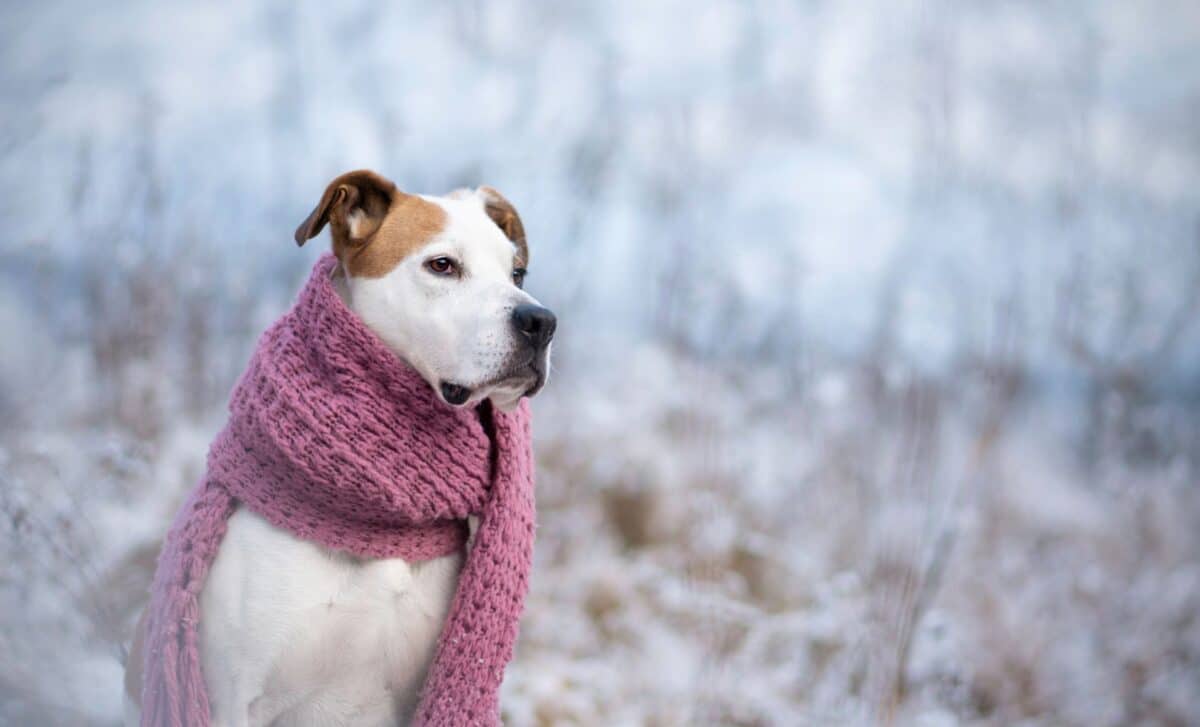
As winter sets in, many dog owners find themselves wondering whether their pet truly needs a coat or if it’s just another seasonal trend. Between freezing sidewalks, wet winds and short daylight hours, your dog’s comfort could depend on more than just its fur. So how can you tell when it’s time to bundle up your dog before heading outside?
Some Dogs Feel The Cold More Than Others
Not all breeds are equally equipped to handle winter weather. Small dogs, such as Chihuahuas or Miniature Pinschers, are more sensitive to the cold because they lose body heat quickly. Their compact bodies also sit closer to cold ground surfaces, making them even more vulnerable.
Short-haired breeds, like Greyhounds, Whippets, and Dobermans, also struggle when temperatures drop. Without a thick undercoat, they are essentially exposed to the elements. Their sleek fur may look elegant, but it offers little in terms of insulation.
Age is another factor to consider. Senior dogs, especially those with arthritis or reduced mobility, are at a disadvantage during cold spells. Their bodies produce less heat during movement, and the cold can aggravate existing health conditions. For these dogs, wearing a coat is more than just comfort, it can reduce pain and protect their overall well-being.
Netflix’s Boldest Bridgerton Twist Yet Has Viewers Screaming Online
How Do You Know If Your Dog Is Cold?
Dogs may not talk, but they communicate clearly if you know what to look for. Shivering is a strong indication your fur baby is cold. It’s often confused with fear, but when it happens during or after a walk in chilly weather, it usually signals that your pup is trying to warm itself.
Watch for changes in posture, such as a curved back, lowered head or a tail tucked between the legs. These are instinctive ways for a dog to reduce heat loss. Paw-lifting, where the pet alternates lifting each foot while standing, often means the ground is too cold or that body temperature is dropping.
Dogs who suddenly become slower, hesitant or seem distracted during walks may not be acting stubborn. These subtle changes in movement are often the first.
How Wet Fur And Wind Lower Your Dog’s Defenses
While many experts point to 5°C as the limit where most sensitive ones benefit from a coat, weather conditions can change everything. A dry, sunny day at 0°C might be safe for many of them, while a windy and wet day at 6°C can pose a much bigger threat.
Humidity is especially deceptive. Wet fur loses its insulating power, and damp coats can cling to the skin, creating a chilling effect. Wind pushes through the fur and carries heat away from the body. In these cases, your pet may be at risk even if the temperature seems mild.
Choosing a coat that fits well and suits the weather can make a real difference. Look for water-resistant materials, a warm lining and coverage that includes the chest and belly. Avoid outfits with tight sleeves or decorations that restrict movement. If your four-legged friendresists wearing it, try introducing the coat gradually with treats and positive reinforcement.