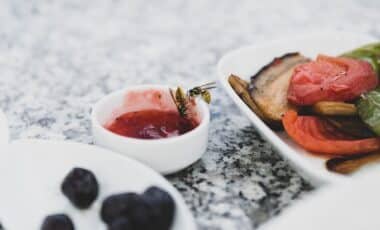
Fresh produce has always been considered the go-to for healthy eating. But doctors are now challenging that idea. According to several nutrition experts, some frozen foods are not only just as good as fresh, they can actually be better. With higher nutritional value, less food waste, and easier prep, a few frozen options deserve more space in your shopping cart.
Why “Fresh” Isn’t Always So Fresh
At first glance, fresh seems like the obvious healthy choice. But what most people don’t realize is how long that “fresh” food has been traveling. Fruits and vegetables often get picked before they are fully ripe. Then they’re packed, shipped, and stored for several days before landing on store shelves.
By the time they arrive in your fridge, they may have already lost a big chunk of their nutritional value. According to nutritionist Dr. Jean-Michel Cohen: “Frozen vegetables don’t lose their vitamins — they actually retain them better than fresh products.”
Frozen produce follows a completely different timeline. It is usually picked at peak ripeness and frozen just a few hours after harvest. That quick freezing process helps lock in vitamins and minerals. It stops the breakdown of nutrients and keeps the food in top condition for months. That means you get more nutritional benefits, often without any extra effort.
And there’s another upside. Frozen foods are practical. Most come washed, cut, and ready to use. You use only what you need and put the rest back. That means less waste and more convenience for busy days.
Sprouting Potatoes Again? One Fruit In Your Kitchen Can Fix It Fast
These Six Frozen Picks are Winning over Doctors
The main advantage comes from the quick-freezing process, which locks in nutrients shortly after harvest and helps prevent spoilage.
Berries, such as strawberries and blueberries, are preserved at peak ripeness, keeping their antioxidant benefits and remaining convenient for everyday use. Green beans and green peas also shine in their frozen form, staying crisp and nutritious while requiring no prep. They’re low in calories, rich in vitamins, and much easier to store and cook.
Other frozen winners include spinach, which holds onto its nutrients far better than when it’s wilting in the fridge, and broccoli and cauliflower florets, which are easier to portion and waste less. Also, edamame bean, rarely found fresh, are more accessible and packed with plant-based protein in their frozen version, making them a quick, healthy addition to many dishes.
How to Cook Frozen Food without Losing Flavor
Frozen food has come a long way, but it still needs to be cooked the right way. To preserve both texture and vitamins, short cooking times are key. Steam, stir-fry, or use a hot pan instead of boiling for too long.
Experts also suggest seasoning frozen vegetables at the end of the cooking process. It keeps the taste more balanced and prevents over-salting. Adding a little olive oil can also help the body absorb important vitamins like A and K.
There is one simple rule to follow. Only take out what you plan to use and put the rest back in the freezer right away. That small habit keeps everything fresh and avoids freezer burn.