You trust your thermostat to keep you warm. But what if it’s part of the problem? From wrong settings to poor placement, small mistakes with your heating system, especially your thermostat, can lead to big energy waste and rising bills.
Filters That Go Unchanged for Months
The air filter is often the first line of defense for any heating system. Its job is to trap dust and particles before they enter the system. When neglected, it clogs and restricts airflow, forcing the furnace to work harder.
This inefficiency increases energy consumption and can also shorten the system’s lifespan. HVAC professionals Brad Roberson of Aire Serv Heating & Air Conditioning emphasizes the importance of replacing the filter every one to three months depending on household conditions. Homes with pets, allergies, or frequent use should lean toward monthly replacements. Forgetting this step leads to a noticeable decline in performance and a rise in heating costs.
Couples Are Flocking to This Italian City, and It’s Not Venice or Rome
Fireplaces That Disrupt the System
Lighting a fireplace during the winter may seem comforting, but it often disrupts central heating performance. If the thermostat is located in the same room as the fireplace, it will register that the room has reached the set temperature and shut off the furnace too early. This creates cold spots in other parts of the house.
Also, the sudden influx of warm air causes short cycling, which wears down the system. Running a fireplace also causes airborne particles to accumulate faster in the filter, reducing air quality and requiring more frequent filter changes.
Thermostats That Waste Energy
Outdated thermostats are a hidden source of energy waste. Dial or basic digital models often require manual adjustment and do not adapt to daily routines. Programmable thermostats solve this by allowing temperature changes based on time of day and household activity.
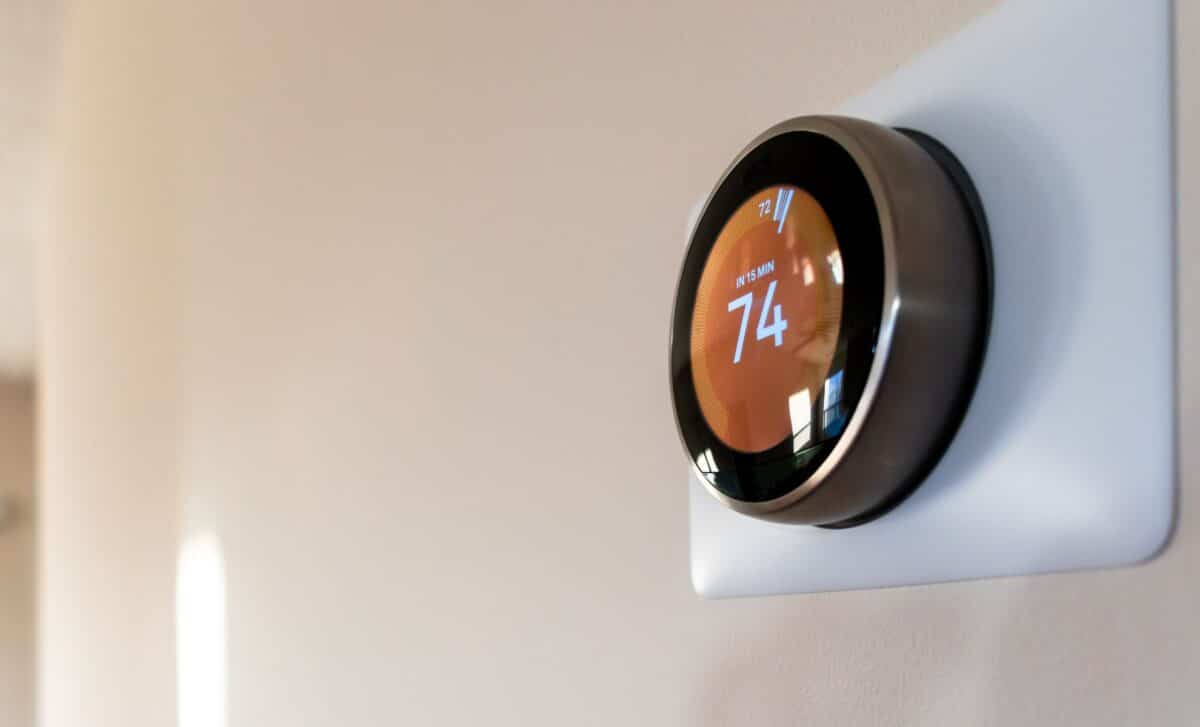
Smart thermostats add learning features and remote control, improving both comfort and efficiency. Bill Taylor of South Jersey Gas points out that: “Many utilities even offer discounts, making these thermostats an affordable upgrade.”
Despite the benefits, many homeowners still fail to use these devices fully. Features such as temperature zoning, energy tracking, and smart scheduling remain underused.
Poor Thermostat Placement
The location of the thermostat affects how well it reads the home’s true temperature. Placing it near a window, in a draft, or in direct sunlight causes the system to cycle at the wrong times. When positioned on an exterior wall or near heat sources, it receives skewed readings.
Taylor recommends placing thermostats on interior walls away from windows, doors, or heating appliances. The thermostat should be located centrally, in a frequently used part of the home, to ensure balanced temperature readings and even system performance.
Exhaust Fans Left Running Too Long
Exhaust fans in kitchens, bathrooms, and laundry areas are designed to remove moisture and odors. When left on too long, they also remove warm air. This lowers the room’s temperature and makes the furnace work harder. The Spruce recommends using timers that shut off exhaust fans within twenty minutes of use. This is long enough to clear moisture without removing the heated air needed for comfort.