In a surprising shift from usual favorites in Asia, Harvey Milk Terminal 1 at San Francisco International Airport (SFO) has been awarded the title of “World’s Most Beautiful Airport” by the globally recognized Prix Versailles. This 2025 recognition places the Bay Area terminal ahead of top contenders in countries like Singapore, China, and Japan, thanks to its unique blend of architecture, sustainability, and local culture.
A New Standard for Airport Design
The jury behind Prix Versailles praised the terminal as “the fruit of an ambitious transformation,” noting its success in providing “a soothing, restorative setting for travelers.” First opened in 2024, Harvey Milk Terminal 1 was designed by architecture and design firm Gensler and quickly gained attention for its innovative features and sustainability goals. According to the firm’s official press release, the terminal has achieved a 79% reduction in carbon emissions and a 59% decrease in energy usage, reinforcing its mission to prioritize both people and the planet.
Awarded at the UNESCO headquarters in Paris, the Prix Versailles recognizes outstanding global architecture across several public categories. In the airport category, Harvey Milk Terminal stood out not only for its aesthetics but also for its deep connection to Bay Area identity and values.
Have You Heard Of The Tiktok Trend ‘Becoming Chinese’? Here’s Why Gen Z Is Obsessed
Celebrating Legacy Through Design
The terminal’s name honors Harvey Milk, California’s first openly gay elected official and a civil rights icon. Inside the terminal, travelers are welcomed into an atmosphere of light-filled spaces and thoughtful design choices meant to reflect both local culture and community values.
Beyond aesthetics, the terminal integrates features that promote comfort and well-being. These include gender-neutral restrooms, clearly marked accessible wayfinding, wellness zones, and a “quiet terminal” experience where important information is displayed on boards instead of being announced over loudspeakers. These thoughtful choices aim to reduce travel-related stress and support a calm environment for all passengers.
Beating Out Global Favorites
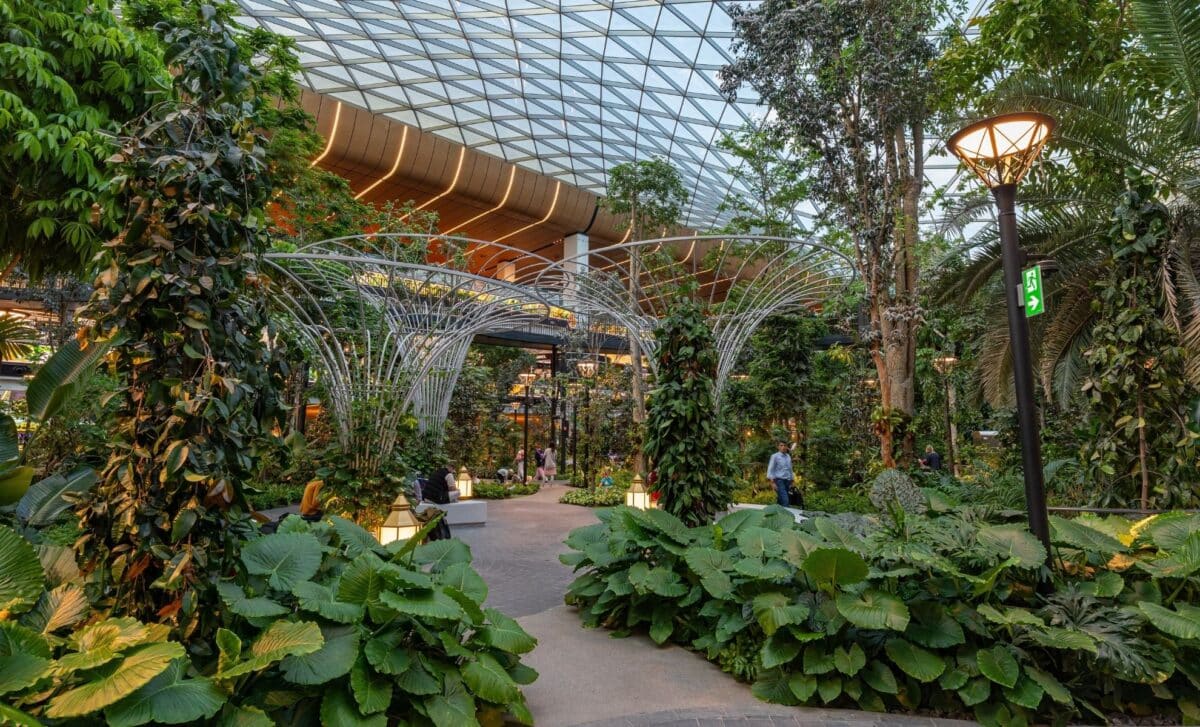
The win comes as a surprise to many in the aviation world. In recent years, Singapore’s Changi Airport has topped reader rankings with its iconic indoor waterfall, tropical gardens, and massive collection of living plants. Similarly, Hong Kong International Airport has drawn attention for its immersive Sky Bridge experience and luxury shopping options. Yet neither of these visually striking airports made this year’s top list.
Among those that did receive recognition were Terminal 2 at Yantai Penglai International Airport in China, Terminal 1 at Kansai International Airport in Osaka, and the Roland Garros Airport arrivals terminal on Réunion Island in France. Moreover, Marseille Provence Airport in southern France received a special interior design prize, while Portland International Airport (PDX) in Oregon, famous for its nostalgic green carpet, was honored for the exterior design of its main terminal.
An Airport Built for the Future
In accepting the award, Airport Director Mike Nakornkhet highlighted the importance of what the terminal represents, both locally and globally. “Harvey Milk Terminal 1 was designed to establish a new benchmark for an extraordinary airport experience, bringing to life our mission to put people and planet first,” he stated in a press release.
The Prix Versailles committee emphasized that their selections go beyond aesthetics alone. As the jury chairperson noted, the awards challenge designers to measure creativity not just by boldness but also by “integrity – its ability to respond to cultural context, to uplift communities, and to contribute meaningfully to a sustainable future.”