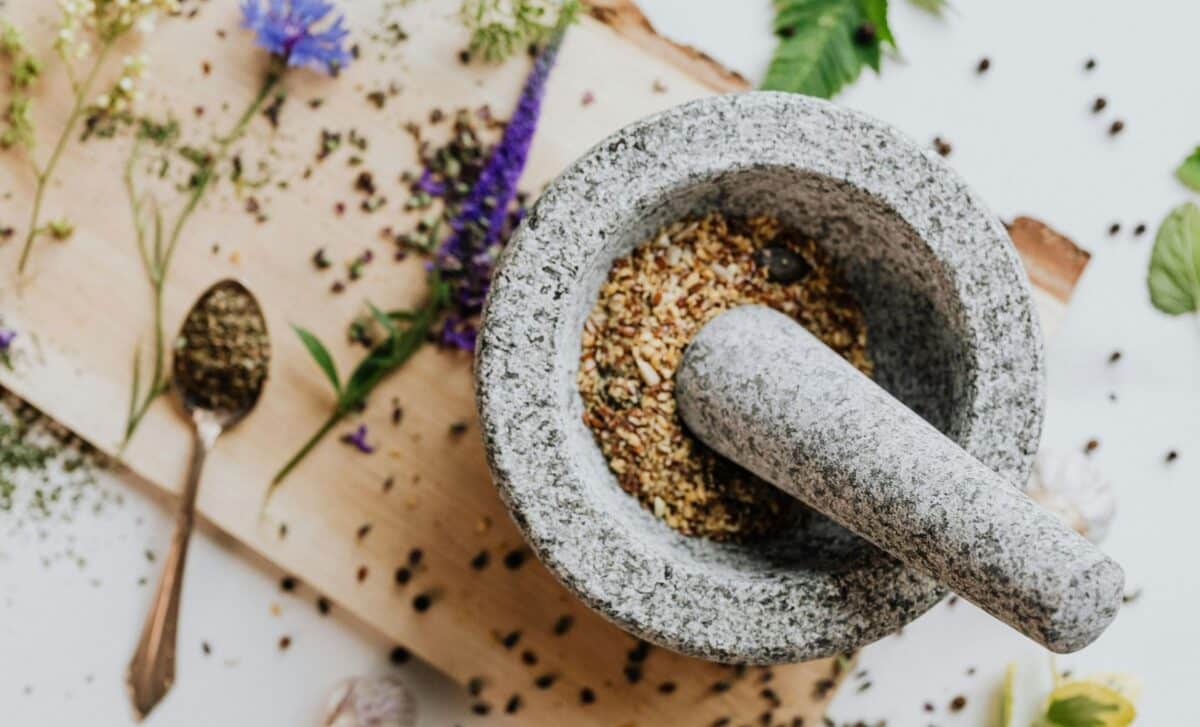
A bold, lemony-red powder long used in Middle Eastern cuisine is now gaining serious traction in the world of health and wellness. Known as sumac, this ancient ingredient isn’t just a culinary staple, it’s emerging as a potential salt substitute with remarkable effects on digestion, inflammation, and weight management. Nutritionists are starting to take notice, and what they’re finding could change the way we season our meals forever.
What Is Sumac and Why It’s Generating Buzz
Sumac is derived from the dried berries of a Mediterranean shrub belonging to the Anacardiaceae family. Its distinctive reddish-purple powder and tangy flavor have made it a beloved ingredient across Levantine and Mediterranean cuisine for centuries. With a taste similar to lemon, but without the sharp bitterness, sumac brightens food naturally, yet today it’s being recognized for much more than its culinary charm.
Unlike regular table salt, sumac offers a combination of low sodium content and health-promoting compounds. In a time when excessive salt intake is linked to hypertension and water retention, sumac presents a timely, flavorful alternative.
Taylor Swift’s $600 Christmas Tip Left a Stadium Worker in Tears
A Natural Powder With Real Body Benefits
One of the most compelling reasons sumac is making headlines is its diuretic effect, which naturally helps the body release excess water. For people dealing with bloating, whether due to dietary causes or hormonal fluctuations, this can lead to a visible reduction in puffiness and a lighter, more refined silhouette. Unlike synthetic diuretics or overly restrictive detox plans, this powder works gently by stimulating fluid elimination through natural processes.
This property is particularly appealing for individuals on weight loss journeys or those looking to feel less swollen and heavy. By reducing water retention, sumac can help refine body contours and alleviate the uncomfortable sensation of fullness.
A Surprising Source of Antioxidants
Sumac isn’t just about water loss. Its antioxidant power ranks among the highest in the world of spices. According to the ORAC scale, which measures a food’s ability to absorb and neutralize harmful free radicals, sumac scores a staggering 312,400, placing it far above well-known antioxidant sources like apples or blueberries. This richness comes from compounds like flavonoids, anthocyanins, and tannins, each playing a key role in protecting the body from oxidative stress.
As stated in a research, published in National Library of Medicine, these antioxidants are vital for preventing cell damage, reducing chronic inflammation, and potentially lowering the risk of degenerative diseases. When consumed regularly, this powder may help the body recover faster after physical activity, reduce joint inflammation, and promote healthier skin and organs.
May Help Stabilize Blood Sugar and Prevent Crashes
Beyond its role in detoxification and cellular protection, sumac shows potential in another critical area: blood sugar regulation. Preliminary studies suggest that the active compounds in sumac could help improve insulin sensitivity, making it easier for the body to handle glucose spikes and dips. This has major implications for people managing or trying to prevent type 2 diabetes, as well as those struggling with sugar cravings or erratic energy levels throughout the day.
By promoting steadier blood sugar levels, sumac may indirectly support weight control and appetite regulation. People with more stable glucose patterns tend to have fewer cravings and maintain better metabolic balance, which can lead to more consistent energy and mood. While research is ongoing, this early evidence adds yet another layer to the spice’s already impressive nutritional reputation.